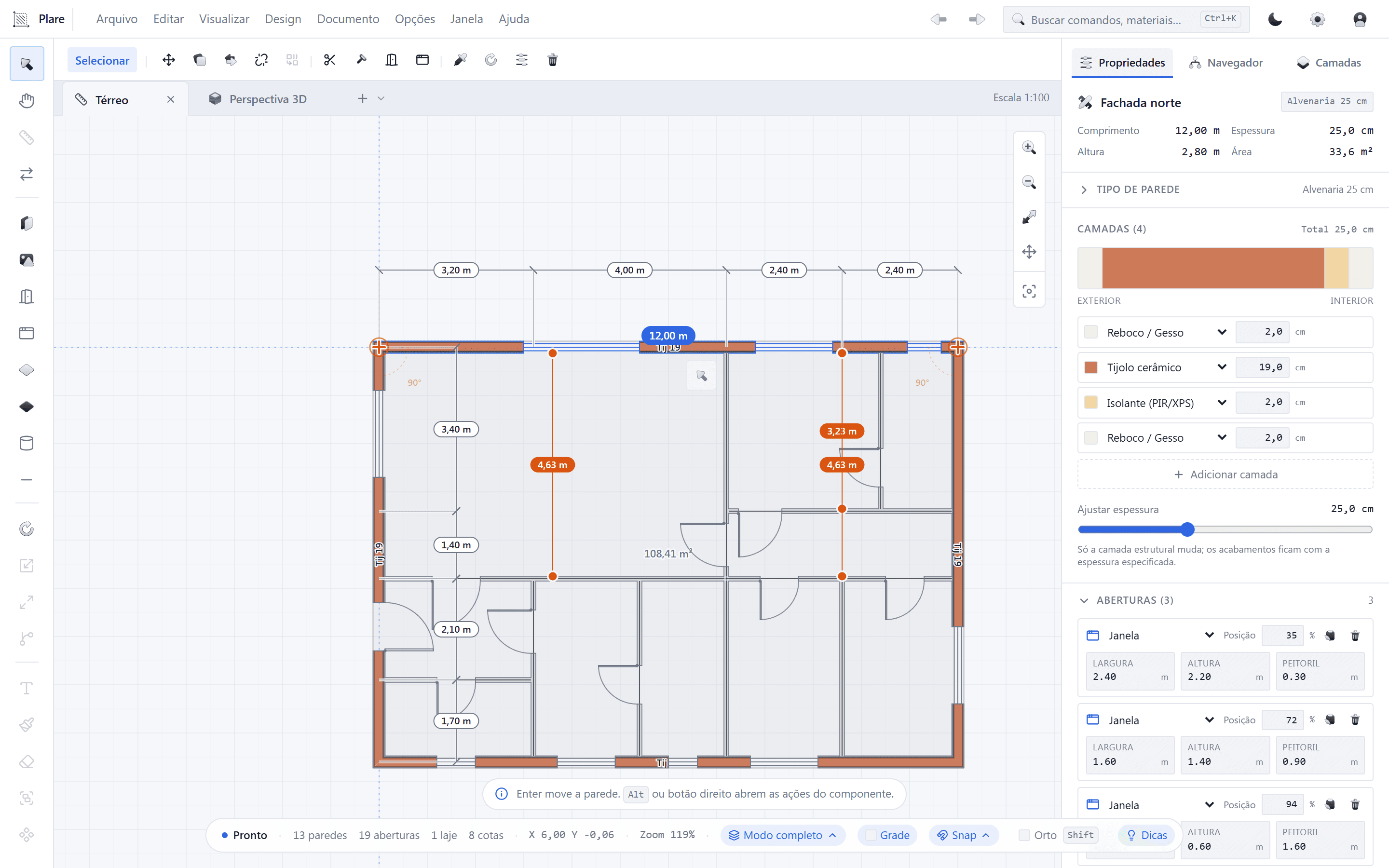
I am an architect, and for a long time, I worked with market-leading CAD/BIM software simply because those were the tools available that could meet some of my project needs.
Often, after spending days researching, selecting, and configuring a template, I would start the design process. Yet, when it came time to export the file to PDF, I would have to start researching all over again to correctly configure the export settings—such as line weights, colors, and pen settings. Even then, the result wouldn't turn out the way I wanted, due to a combination of my own limitations with the software and the software's inherent constraints.
One day, while working on a project for municipal approval in ArchiCAD—something I’d been at for days—I simply couldn't bring myself to proceed to the export stage. The mere thought of configuring the entire file again drove me back to the internet to search for "alternatives to Revit and ArchiCAD." The answers were always the same: there aren't any.
I looked into other options like Vectorworks, but was immediately daunted by the prospect of a new software's learning curve and the effort required to adjust the project to my desired format.
At that moment—after years of designing—the solution was right in front of me: I needed to create software that met my expectations and operated the way I wanted. Waiting for established, long-standing market leaders to deliver this was futile; change simply wasn't part of their development scope.
The initial concept was:
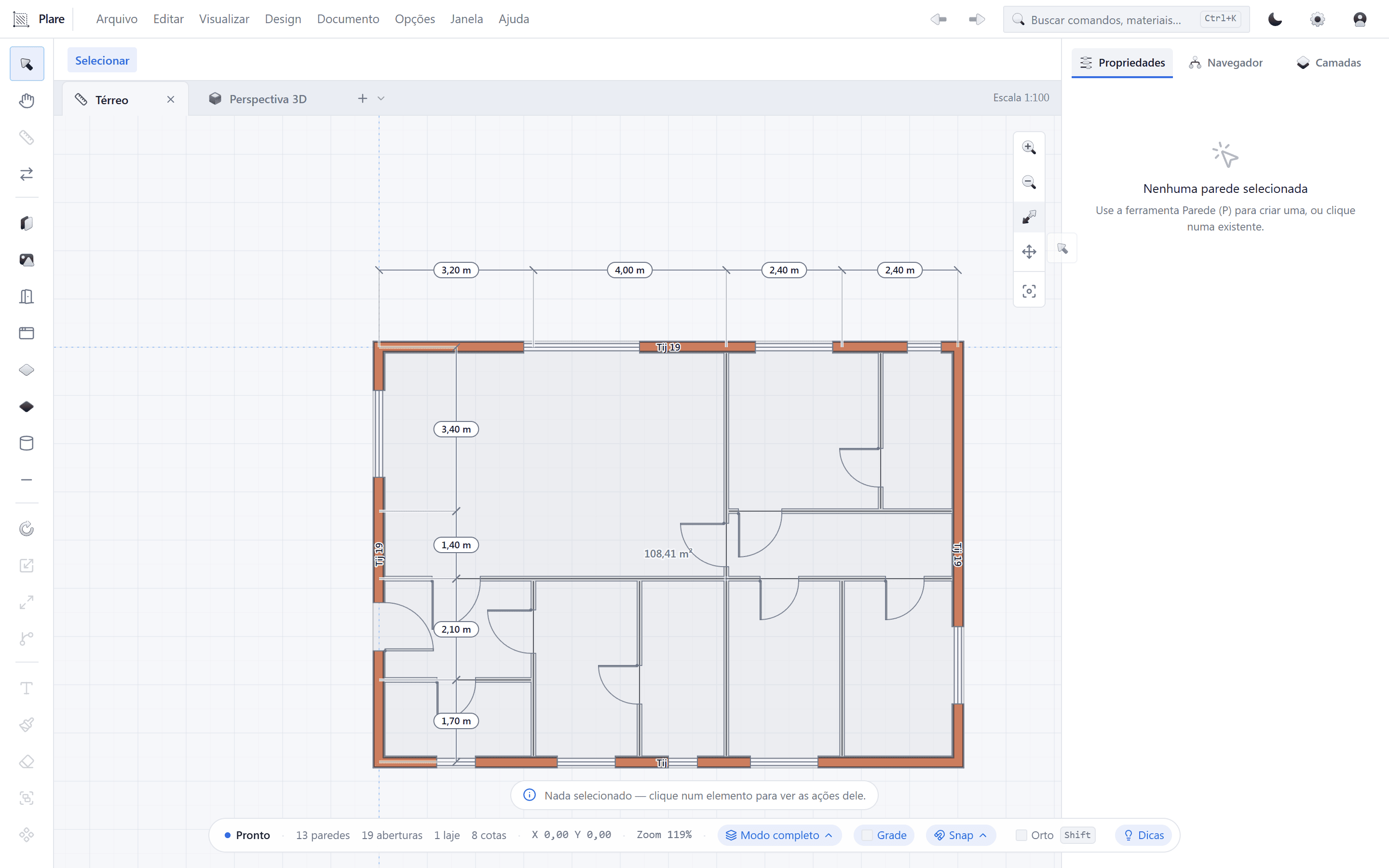
An extremely shallow learning curve—allowing users to start designing within two minutes and focus on what truly matters: the design itself.
Exceptional UX, enabling web-based access so users can design from anywhere, run the software directly on Windows or macOS, and use it on a tablet for quick edits or dynamic presentations—all without leaving the application. New features are released as they are developed, rather than following a fixed annual schedule (so there’s no need to wait until next year to see new capabilities).
Export projects with minimal configuration—no wrestling with the software.
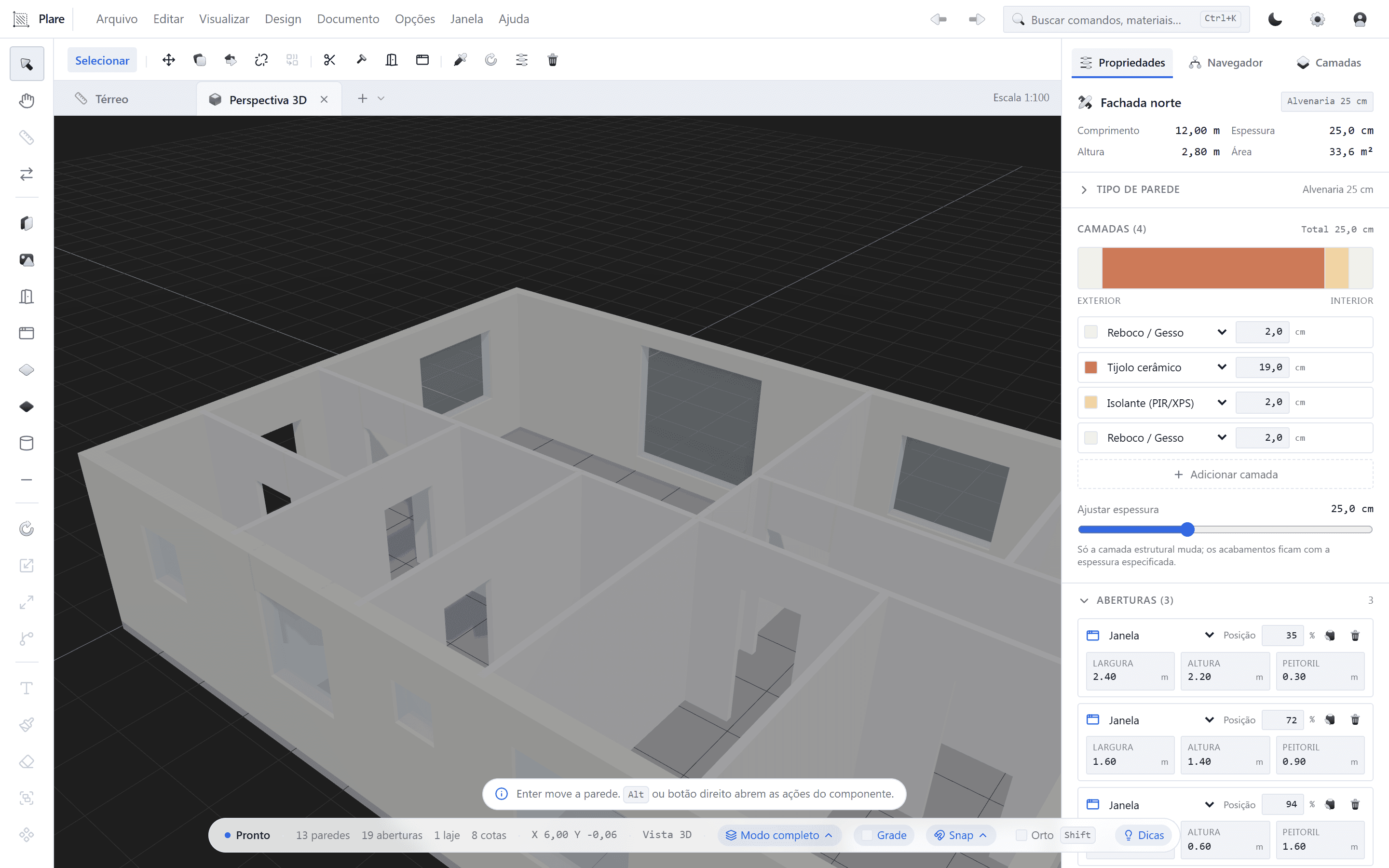
Edit projects in 3D—easily and without unnecessary complexity.
That is exactly where I am now: building software based on my own experience—creating the kind of BIM/CAD tool I’ve always wanted. That is how Mure was born.
I want to share this journey with the blog’s readers and build the future of Mure together with its users.
Thanks, and see you next time!